

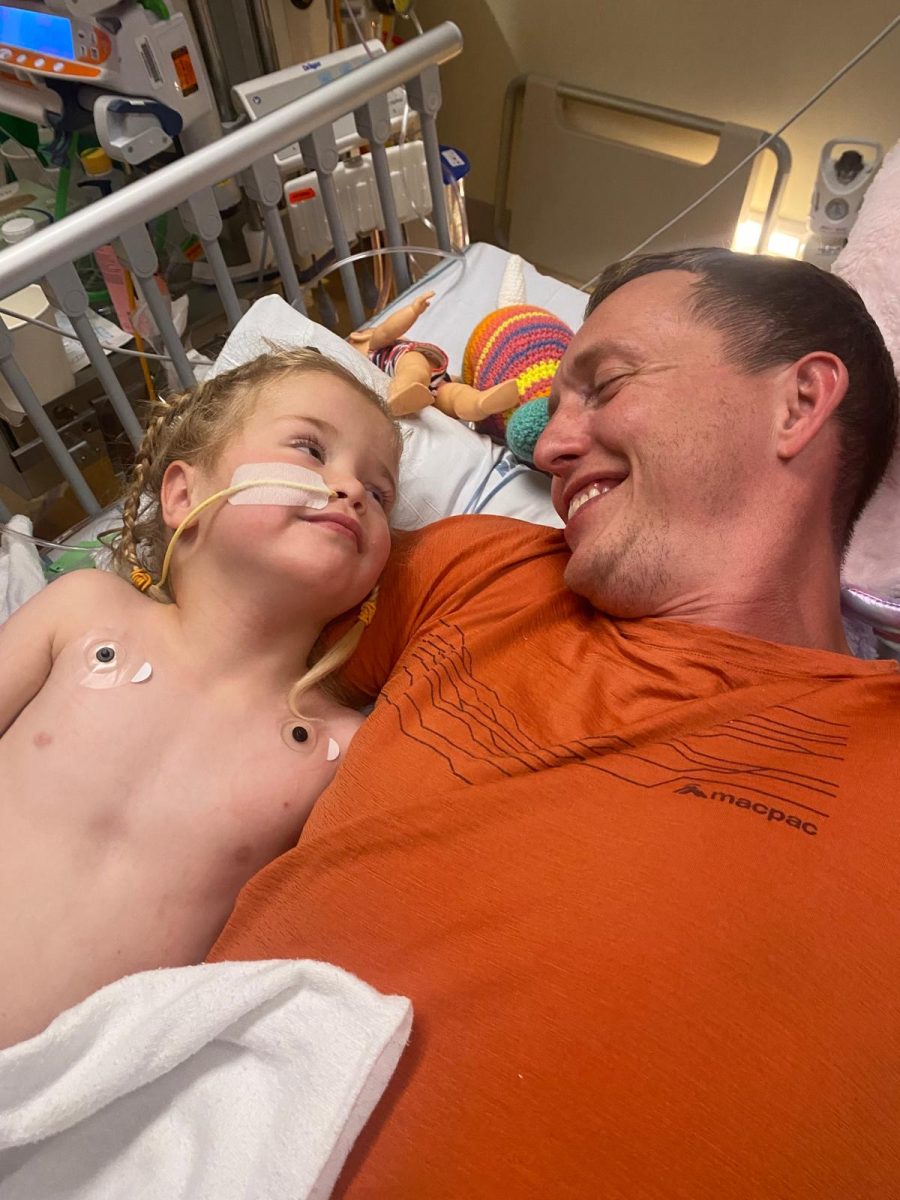
CPR is the sole reason that tens of thousands of people live every year. Otherwise known as cardiopulmonary resuscitation, CPR is an emergency, on-site treatment that is done when someone’s breathing or heart stops. This skill, taught in Atlantic High School health classes, was used to save the granddaughter of an AHS teacher in December of 2025.
Allison Berryhill, English and journalism teacher, is the mother of Max Hoegh, a 2006 AHS graduate who now lives in New Plymouth, New Zealand. Hoegh and his wife Andrea are contract hunters who work together training dogs for animal scat detection. Together, they have three kids: a son, Wolf, 5; a daughter, Sunny, 1; and another daughter, Valentina–saved by CPR on Christmas Day.
Valentina is three years old, and according to her dad, she is a “really active little three-year-old.” Described as talkative, Valentina enjoys activities that involve social contact, such as sports, drawing, fishing, and having stories read to her. All of this almost ended on one tragic day.
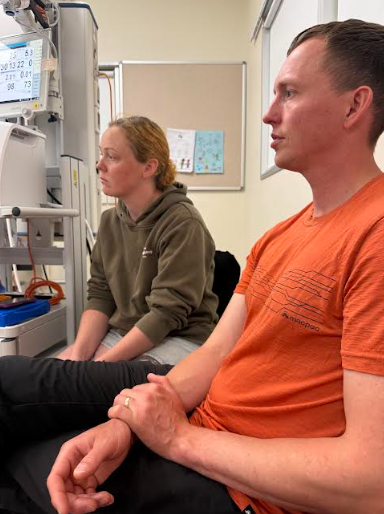
On Dec. 25, Christmas afternoon, the Hoegh family was at a friendly get-together when tragedy struck. Adults were socializing and celebrating Christmas, sitting near the pool. Hoegh said, “I was only like three yards from the pool, and there was…no alcohol or drugs…I don’t drink or anything… I was just completely like facing the pool.”
Hoegh’s daughter, Valentina, asked him if she could swim in the pool with two older children, already in the water. He responded by putting her swimsuit on and telling her to bring him her lifejacket. Getting sidetracked in conversation, Hoegh lost his focus on his daughter. Seconds to minutes later, he looked up to see Valentina floating in the water.
Quick to action, Hoegh jumped into the water, scooping her into his arms. As he brought her out of the pool, he yelled frantically, “Call 111!” Adrenaline rushing, Hoegh describes the next 30 minutes as a blur. He handed Valentina to another father outside the pool. Hoegh, while shocked, recalled Valentina’s blue coloration and cold body, thinking that she was dead. His wife, Andrea, came sprinting out of the house, and jumped straight into CPR. This was Hoegh’s wake-up call as he realized that CPR was their one chance at saving her.
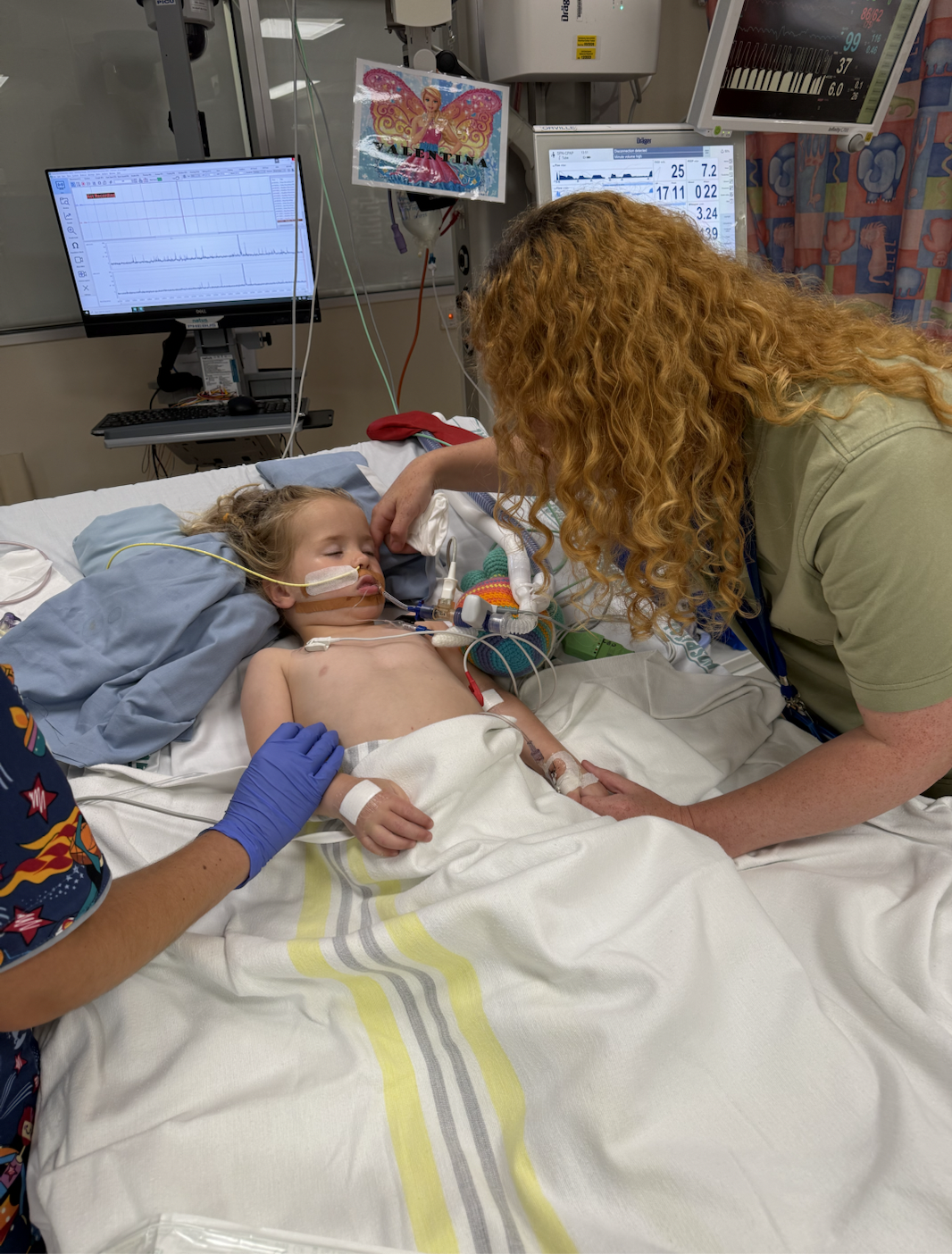
As Max Hoegh then took over the rescue breaths, a volunteer firefighter who had also attended the party, administered chest compressions. The two men’s CPR training came back to them in a flash, even though it had been some time since Hoegh had practiced. In a trance, he felt as if only two minutes had passed when the paramedics arrived–20 minutes later. As the paramedics took over, they found that she was in PEA (Pulseless Electrical Activity), where the victim shows signs but doesn’t have a pulse. After drying her off, they applied the defibrillator, which revealed that her pulse had returned. As they loaded her into the ambulance, Valentina maintained about two breaths a minute. Her movements were described as “twisty” and “non-responsive.” The paramedics fully sedated her with a paralyzer that would end up keeping her unmoving for the next five days.
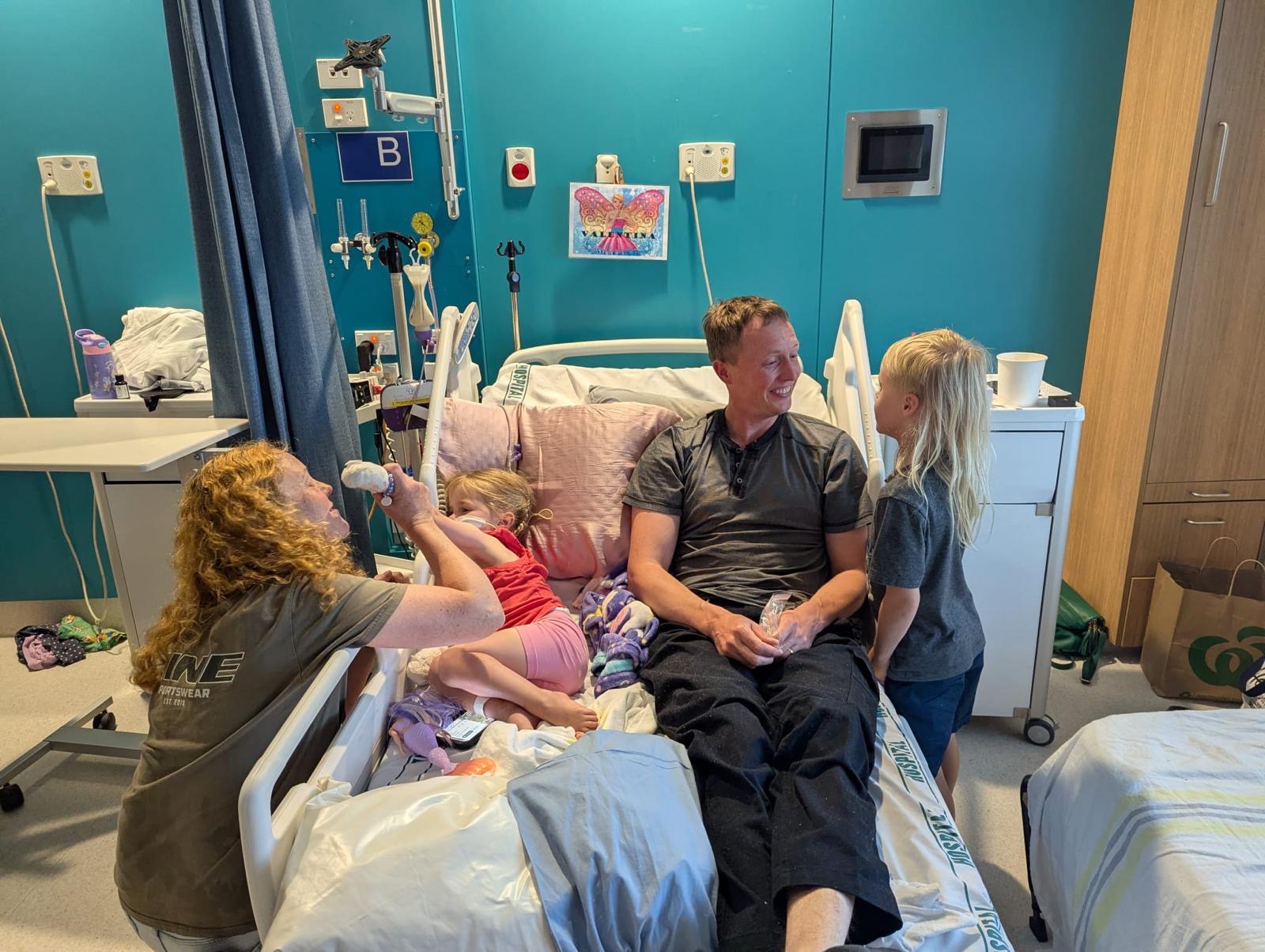
Valentina’s hospital journey began in the emergency room. Shortly after, she was taken on an emergency flight to Starship Children’s Hospital in Auckland, New Zealand, resting on cooling mats that kept her at a regulated temperature. Shivering would mean energy goes to places other than her heart and brain, while fevering could potentially kill her. Valentina would remain under sedation at Starship for five days under high medical control. It wasn’t until day four that the Hoeghs were told she had a high chance of surviving. While she may survive, there was a chance of brain damage, and her body would slowly return to normal, needing the use of feeding tubes and relearning to walk again.
The Hoegh parents had huge relief that their daughter was going to live, but relief came with an incredible amount of guilt. Paramedics told the family that without performing proper CPR, Valentina could have died. Hoegh has been CPR trained five separate times, truly showing the importance of bystander CPR.
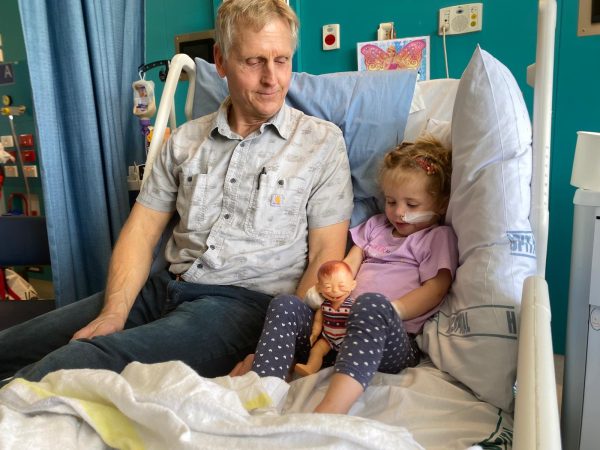
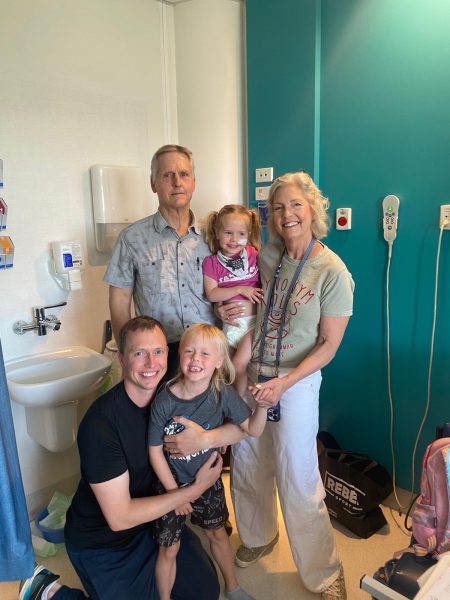
Valentina’s side effects had subsided enough by day 13 that she was finally able to swallow normally. The parents’ stress levels with this tragic accident were raised through the roof as they may never again view poolside gatherings the same way. Hoegh reports that several months after the incident, his “fight or flight response” may still be active as he is “waking up with hyper awareness during the night” in fear that something is wrong.
He and his wife attended counseling sessions for six weeks, post-accident, to deal with the intense stress hormones that come with trauma. Hoegh said, “That’ll be kind of a big step, I think, to get back to a swimming pool because we definitely haven’t been back swimming yet.”
Studies show that bystander CPR can save as many as 79% of drowning victims. If a person is nonresponsive or not breathing, they need CPR. While not a very common occurrence, CPR could be needed anytime and in any place. Former lifeguard and CPR trainer Terri Thielen said, “If performed immediately, CPR can double or triple the chance of survival from an out-of-hospital cardiac arrest.” She also said, “Survival chances decrease by 10% for every minute that CPR and the use of an AED are delayed.” This shows that even if you are not sure of proper CPR usage, actions should be as follows: alert EMS and initiate CPR as soon as possible.
Fear is a leading cause of bystander neglect for the victim. Thielen said that the students she has taught have worried about using CPR properly and about forgetting procedures in certain scenarios. Calling 911 and helping in any way you can is more important than sitting off to the side and watching, she explained. Like riding a bike, instruction will naturally come back to you, and something is always better than nothing.
CPR has never-ending updates as the science improves, so recertification can never hurt. Because Andrea and Max Hoegh operate a business that requires renewing CPR and first aid, they had the quick response to save their daughter’s life.
Thielen’s most important advice: “Keep yourself informed! You’d be surprised what will come back to you in the moment, and doing your best, to the best of your knowledge, is encouraged and appreciated.”



Margo Magill • Apr 28, 2026 at 5:27 pm
Excellent story and so thankful little Valentina survived! Everyone needs to be trained in CPR and AED!
Cheryl McCaskey • Apr 28, 2026 at 11:31 am
Sending hugs to Allison and her family! Thanks for sharing; this is a great article! I’m one of those who is afraid of not remembering what to do. This is wonderful; it encourages me that the multiple times I’ve done training may help!